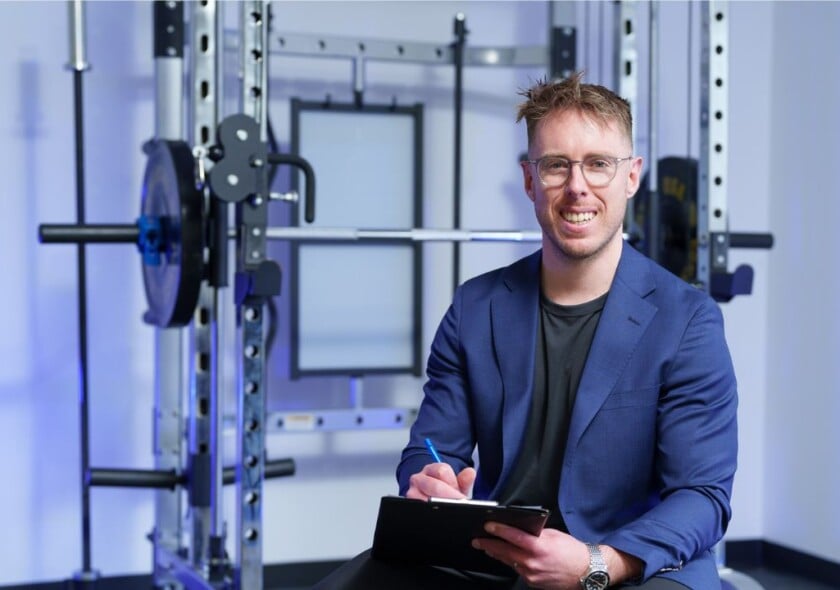
A world-first study underway in Adelaide is exploring whether physical activity can significantly reduce cancer-related fatigue, one of the most common and debilitating side effects faced by bowel cancer survivors.
Led by Dr Matthew Wallen from Flinders University, and proudly supported by The Hospital Research Foundation Group, the study aims to enhance recovery and quality of life through a tailored approach to physical activity.
The I-FIT Trial
This study, called the I-FIT trial, will co-design, deliver and evaluate a personalised online physical activity program to reduce cancer-related fatigue and support long-term recovery for bowel cancer patients.
“Fatigue has a profound impact on a person’s physical, emotional and mental health, often limiting daily activity and delaying recovery,” Dr Wallen explained.
“We also know from existing evidence that physical activity can significantly help in reducing this.”
Dr Wallen will coordinate a multi-disciplinary team including consumer partners with lived experience of bowel cancer, clinicians, nurses and research experts. Together, they will design a 12-week physical activity program specifically tailored to individual needs.
The pilot trial will involve 50 participants who have completed treatment for bowel cancer.
Half of the group will receive the I-FIT intervention – a personalised, digital activity promotion plan which aims to gradually reach the recommended 150 minutes of physical activity per week. The other half will receive standard post-treatment care.
“We will be monitoring each participant over the 12 weeks and asses their physical activity levels and sedentary time with wearable activity trackers and through their smart phone,” Dr Wallen said.
In addition, participants in the I-FIT group will have weekly telehealth consultations with an Accredited Exercise Physiologist to help guide and support their physical activity routines.
Aiming for long-term impact
At the end of the trial, Dr Wallen will closely assess whether the program can reduce fatigue and most importantly, improve quality of life.
“Our ultimate goal is to see this model of care adapted for all cancer survivors and we’re hopeful this approach can offer a much-needed solution to improve cancer-related fatigue.”