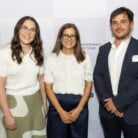
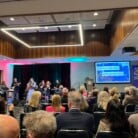
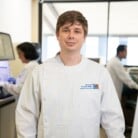
Nothing prepares a parent for the moment they hear their child has cancer – let alone the shock, grief and helplessness that follow as they begin an uncertain path ahead.
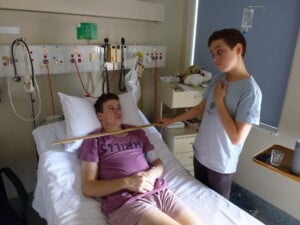
For mum-of-three Catherine Woulfe, that journey began when eldest son Kilian, then 21 and a fit, active, seemingly healthy university student, was suddenly diagnosed with a potentially deadly form of leukaemia as he prepared to sit his final exams.
Catherine said that her son had been feeling run down with constant sore throats, coughs and colds, but struggled initially to get an accurate diagnosis despite repeated blood tests and visits to his local GP.
Kilian was rushed to hospital after sitting what would be his last exam for some time and ended up in the emergency department of Royal Perth Hospital.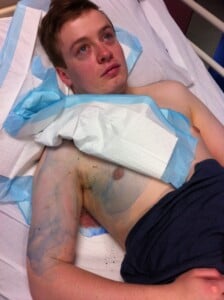
“He was close to dying and it was imperative they commence treatment immediately,” Catherine explained, clearly emotional as she recalled how close she came to losing her son.
“This points out how significant a delayed diagnosis can be and how dangerously close to an unavoidable fatality it was.”
Kilian was ultimately diagnosed with Acute Promyelocytic Leukaemia (APML), which prior to the introduction of more targeted therapies, had a poor survival rate.
Kilian started aggressive treatment for APML in November 2013, facing numerous challenges along the way with PICC lines that failed, ongoing infections and painful bone marrow testing.
He was unable to have regular chemotherapy due to the damage the disease had already done to his heart, so Kilian’s doctor and family made the decision to treat him with a targeted combination of all-trans retinoic acid (ATRA) and arsenic trioxide (ATO).
Killian was one of the first in WA to receive this targeted treatment – one that would ultimately save his life, albeit leaving him with side effects that the now successful 33-year old qualified clinical psychologist is still dealing with today.
Thanks to years of dedicated research, this powerful, chemotherapy-free approach is now widely used to treat standard-risk APML patients, with long term survival exceeding 90%.
And driving this research even further are experts like Dr Kim Rice, a lecturer at Murdoch University in Medical Genetics, who is focused on improving the survival rates of those diagnosed with different forms of leukaemia.
Dr Rice received a grant from The Hospital Research Foundation Group thanks to sponsor ‘The Stan Perron Charitable Foundation’, to help develop more targeted therapies for children diagnosed with Acute Myeloid Leukaemia (AML).
Dr Rice said people like Catherine who actively supported medical research were an asset to the research community, as they worked to improve survival rates and reduce long-term side effects of treatment.
“Families like Catherine’s motivate me. Their lived experience of leukaemia helps us to understand the gaps in current treatments to refine our research questions, and they are passionate about supporting WA scientists to keep striving for better outcomes,” Dr Rice said.
“By joining forces with patients, their families and clinicians – collaborating, sharing ideas and resources, I’m hopeful that we will drive change for more effective leukaemia treatments for all children with AML.”
Now a consumer advocate for Dr Rice’s research program, Catherine agreed that advancing treatments relied heavily on investments in medical research, to ultimately give people a better chance of survival and to improve their quality of life, post-treatment.
“And we’ve witnessed that firsthand,” Catherine said. “Thanks to investment in medical research, survival rates for APML are now very high.
“It gives families like ours, time that you may never have had, and the chance to enjoy everyday moments that just become absolutely precious.”