A program that aims to boost the physical activity of older people in regional areas – and ultimately reduce their risk of dementia – has received multiyear funding from The Hospital Research Foundation Group and WA Government’s Future Health Research and Innovation Fund.
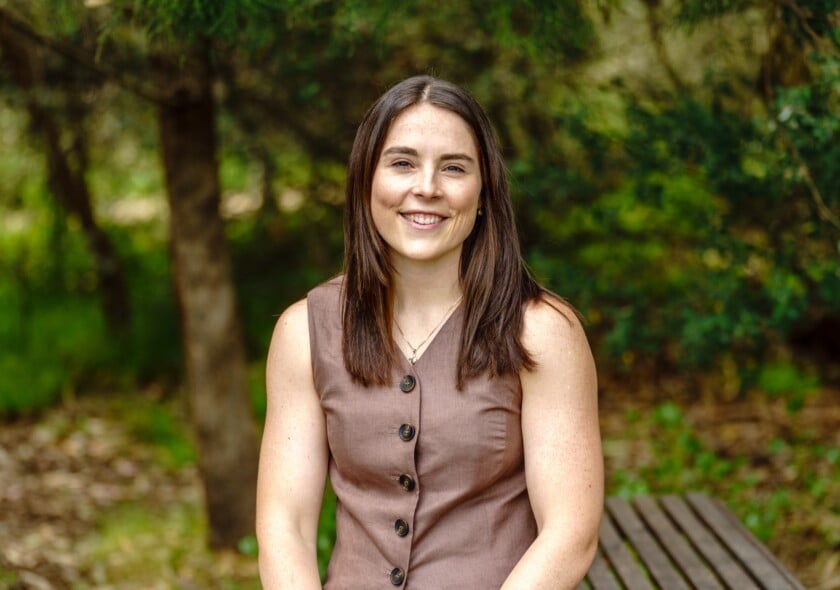
Dr Kelsey Sewell from the Murdoch University School of Allied Health was awarded an early to mid-career research fellowship to implement the important work.
Dr Sewell has returned to WA from AdventHealth in Orlando, Florida, to launch the project in WA. While in the US, she worked on a world-leading clinical trial examining the effects of exercise on brain health supervised by Professor Kirk Erickson.
Research has shown that higher physical activity levels can significantly reduce dementia risk, however a majority of older Australians are not physically active enough, particularly those living in regional Australia where support and opportunities for activity may be limited.
As Dr Sewell explained, greater inactivity levels in regional and remote Australia were also exacerbated by a lack of resources, activities and coordinated programs.
“The Small Steps program aims to make exercise easier for older adults in the regions by offering tailored support, simple goal setting and education about how physical activity can reduce dementia risk,” Dr Sewell said.
The project is a collaboration between Murdoch University and Adelaide University originally developed by Professor Ashleigh Smith, a national leader on dementia prevention, with seed funding also provided by The Hospital Research Foundation Group.
Participants in the program will use Small Steps for eight months, with activity tracked through a wrist-worn device and will be tested for memory, thinking skills, and markers in the blood related to Alzheimer’s disease before and after commencing the program to measure how effective it is.
The Small Steps online program will be co-designed with older adults through a series of workshops beginning in the second half of 2026, with a number of regional locations currently being investigated.
The program will be delivered remotely with personal guidance available for participants. There will also be the option for social connection with others involved in the program, which has been shown to improve participation and enhance motivation, ultimately increasing success.
The second phase of the study, expected to begin in 2027, will seek to recruit 62 people over age 60 who are not currently meeting physical activity guidelines.
“I’d like to thank the WA Government and The Hospital Research Foundation Group for selecting this project for the Early-to-Mid Career Research Fellowship,” Dr Sewell said.
If successful, the Small Steps program could be rolled out nationwide to help reduce dementia risk in communities.
Further details about the Small Steps Program in WA are available via Dr Kelsey Sewell at [email protected]