Australia’s longest-running prostate cancer database has contributed to an international study that found significant variances in how cases are diagnosed globally.
The study looked at the MRI results of more than 7,000 men from 13 sites across the world, including the SA Prostate Cancer Clinical Outcomes Collaborative (SA-PCCOC) which is supported by The Hospital Research Foundation Group.
It revealed that the probability of being given a high MRI score varied at each location, directly impacting the detection of high-grade tumours.
Prostate cancer is notoriously complex to diagnose and it’s also difficult to assess if a tumour poses an immediate threat and requires treatment or if it is slow-growing and can be monitored.
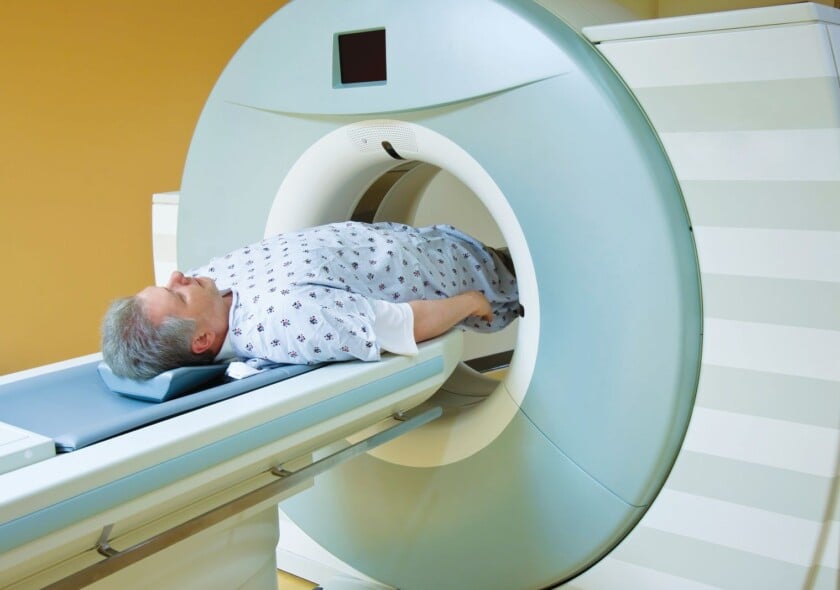
An MRI is used to detect, locate and measure the size of a tumour, with the lesion given a score from one to five.
However, this study showed that the scoring varied across countries, meaning a tumour that scored a four at one location might only be a three at another.
SA-PCCOC executive officer, Associate Professor Michael O’Callaghan, said the findings highlight the need for standardisation.
“MRI is important in determining if a prostate biopsy is conducted and is a predictor of how advanced cancer might be,” he said.
“Right now, we can see a lot of variation internationally so we need a better global standardisation.
“Work in SA has shown that including MRI in cancer detection triage tools is very effective and performs well using international tools.”
These insights would not have been possible without SA-PCCOC’s comprehensive database, which has continued to grow.
This wouldn’t have been possible without your generous donations. Thank you