Nurses, junior doctors and other medical staff across the Yorke and Northern Local Health Network (YNLHN) will undergo training over the coming months to use portable x-ray and ultrasound machines, allowing patients to access timely treatment closer to home.
Currently, patients in the YNLHN can be faced with either prolonged wait times or having to travel to metropolitan Adelaide to access timely imaging services due to a lack of trained staff immediately available.
With the support of $55,250 in funding from The Hospital Research Foundation Group, nursing and medical staff can now undergo training through Country X-ray Training to use portable x-ray machines.
This means patients can be assessed and treated more quickly at their local hospital, helping to improve workflow and avoid unnecessary travel to Adelaide.
The four-day course provides staff with the skills and knowledge to safely take and process diagnostic radiographs in different clinical situations through self-learning, and theoretical and practical assessment. Nine doctors and several nurses are expected to attend a session in late June in Clare.
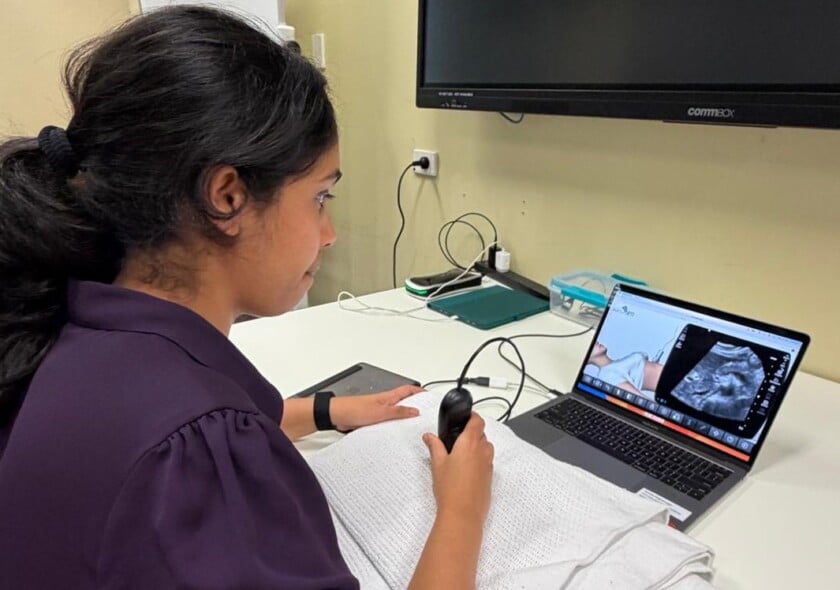
An additional $32,500 will also support trainee doctors to use portable ultrasound equipment. The low-cost and easily accessible technology is rapidly becoming the popular alternative for medical staff to evaluate and diagnose patients more effectively.
Training is provided by various providers, delivering clinically focused, hands-on learning. This will significantly improve the overall health outcomes for patients.
YNLHN Medical Officer Dr Eleanor Daniel welcomed the support.
“We can now upskill nurses and other medical professionals to use portable x-ray and ultrasound machinery. This will prevent patients from having to travel to metropolitan Adelaide for treatment or wait to be seen locally,” Dr Daniel said.
“As portable ultrasounds become the better option for patient care, we’ll need staff who can use the equipment, which is why the additional funding is greatly welcomed.
“Being able to provide both forms of training encourages staff to stay in the rural workforce and contribute to the LHN’s vision of a highly qualified, motivated and stable workforce, providing exceptional care to patients at the time they require that care.”
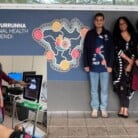
Medical intern Tharushi Jayasekara said it was one of the most practical and thorough training courses she had completed.
“The course moderators taught us not only how to operate and optimise ultrasound imaging, but also how to apply it in real-time clinical decision-making, and how to perform focused bedside assessments in emergencies, and integrate ultrasound findings into patient management safely and effectively. The moderators were all approachable and provided direct feedback, creating a supportive learning environment,” she said.
“Ultrasound training is important in modern healthcare to improve procedural safety. Being able to use this technology means staff can quickly assess patients, significantly improving their care. It is particularly valuable in rural areas.
“I thank The Hospital Research Foundation Group for funding the initiative and giving me the opportunity to undertake this training.”