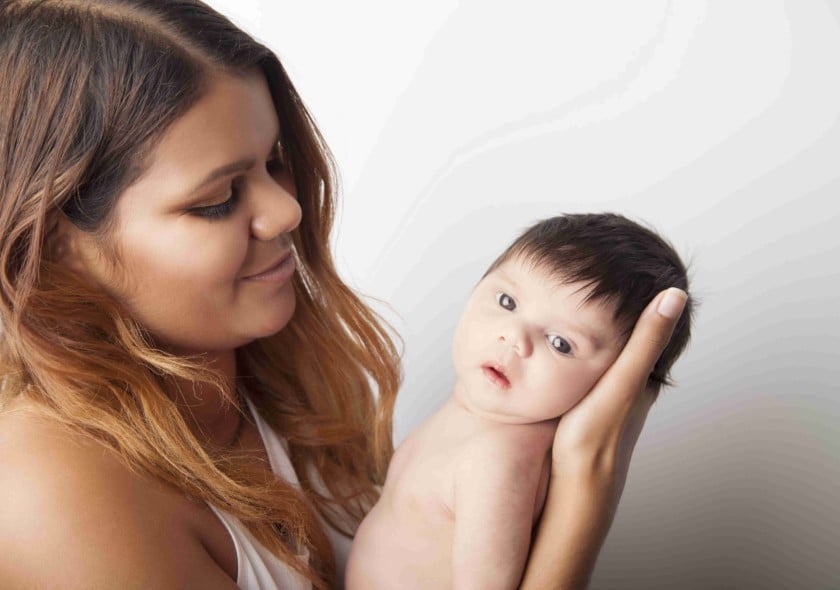
Indigenous Australians often have higher rates of diabetes, kidney disease, cancer, heart disease, mental health issues and more.
This is a situation which has to change, which is why we’re funding many projects to bridge the gap and improve the health and wellbeing of our Indigenous communities.
With your support, The Hospital Research Foundation Group continues to fund many projects and services to work towards closing the health gap between indigenous and non indigenous Australians and improve the health and wellbeing of our communities.
Indigenous Health Support
This project will develop guidelines to help healthcare workers conduct better health and wellbeing checks for older Aboriginal and Torres Strait Islander people.
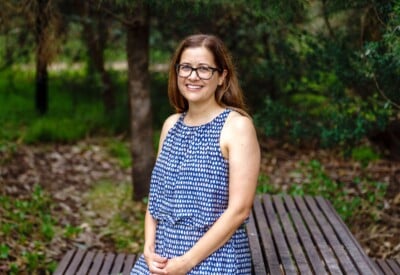
Led by researcher Lianne Gilchrest from the University of Western Australia, these new guidelines will make sure assessments are culturally respectful and sensitive to past trauma, helping to improve trust, care and health outcomes.
Supporting Aboriginal fathers during pregnancy and birth is the focus of new research aimed at improving outcomes for both parents and babies.
Researcher
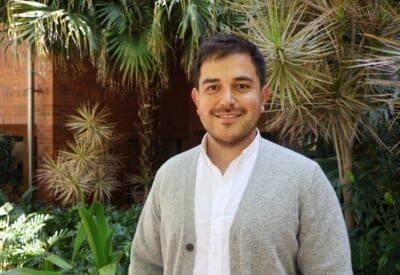
Dr Bernardo Dewey from Curtin University will work with Aboriginal Elders, fathers and healthcare workers to help strengthen Aboriginal men’s involvement in antenatal care, and how this can be improved through more culturally appropriate communication.
Improving Indigenous women’s health during the early child-rearing years, through a mobile-health (mHealth) tool for Aboriginal and Torres Strait Islander mothers and babies.

Researcher
Professor Billie Bonevski and team will undertake a cultural adaptation of the mHealth tool to ensure it meets the unique needs of South Australia’s Aboriginal communities
Investigating the causes behind diabetes inequalities in Indigenous Australia and developing ways to improve prevention, treatment and management of the condition in this population.
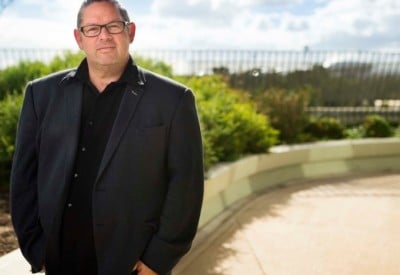
Investigating the gaps in cancer testing and treatment in Aboriginal and remote populations, while also looking into whether biological features are more common in Aboriginal people to better plan treatments.

Researcher
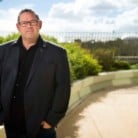
Dr Andrew Fantoni (right) hopes that improving earlier detection and treatment can improve the outlook for Indigenous Australians in WA.
Seeking to understand if the higher death rate from bowel cancer is due to differences in the type of bowel cancer Aboriginal people get, or not enough of the right treatment.

Researcher
Associate Professor Andrew Redfern (left) and team will use their learnings across Western Australia to plan better treatments and improve cure rates for Aboriginal people with bowel cancer.
Supporting an Aboriginal Cancer Healing Centre in the Flinders and Upper North region, to enable a more holistic healing journey and improve the uptake of services closer to people’s home communities and their health and life expectancy outcomes.

This project aims to better meet the needs of Aboriginal and Torres Strait Islander people who may be impacted by cancer in the Whyalla, Port Augusta and surrounding communities.
Improving understanding of why Aboriginal girls are more prone to youth-onset obesity and Type 2 diabetes than non-Aboriginal girls, and if this disparity is exacerbated in children of mothers who developed diabetes during pregnancy.

Researchers
The knowledge gained by Dr Lisa Nicholas and team will bring us closer to identifying individuals most at risk of these conditions, therefore providing opportunities for earlier intervention strategies.
Providing Aboriginal health scholarships to increase the number of qualified Aboriginal and/or Torres Strait Islander Primary Healthcare workers.
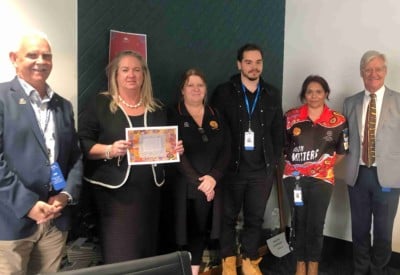
These scholarships will help provide a range of clinical primary healthcare services to Aboriginal and/or Torres Strait Islander communities within the Northern Adelaide Local Health Network (NALHN).
Understanding the underlying complex factors which lead to vision loss in people with Type 2 diabetes, and using these insights to develop a model of care for management and screening eye complications within Indigenous communities.
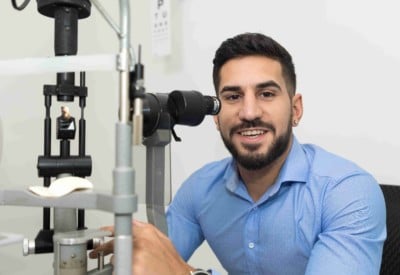
Purchasing gym equipment to support a Riverland Elder/Youth Aboriginal program which aims to decrease the numbers of overweight Aboriginal youth and improve blood sugar results for those with diabetes.

This was identified as an area of need by the Riverland Mallee Coorong Local Health Network.