The Hospital Research Foundation Group is celebrating the delivery of the 1000th dose of a specialised treatment used to treat patients with Neuroendocrine Tumours (NETs), a rare form of cancer.
The specialised treatment, called LuTate therapy, is only available in South Australia thanks to the expert South Australia Medical Imaging (SAMI) team at the Nuclear Medicine Department in The Queen Elizabeth Hospital (TQEH).
The 1000 doses of LuTate therapy have been delivered to 229 patients living with neuroendocrine cancer since April 2011.
SAMI’s Nuclear Medicine department at TQEH is the only centre in South Australia or the Northern Territory delivering the breakthrough treatment. The treatment is helping patients to improve their quality of life and increases their overall survival equal to other national and international centres of excellence.
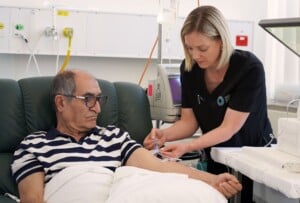
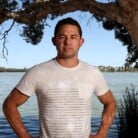
1000th dose patient Manny Haghigi with nurse Jess Mercurio
Neuroendocrine tumours are an uncommon type of cancer which forms in cells that are found throughout the body, but mainly in the intestines, bowel, pancreas and lungs.
More than 29,000 Australians currently live with neuroendocrine cancer and a further 5,000 cases are diagnosed in Australia every year. The survival rate varies significantly from patient to patient.
Currently, one in four patients attending the service travel to the TQEH from regional and remote locations. Many use the Under Our Roof accommodation provided by The Hospital Research Foundation Group to support their treatment.
LuTate Therapy is a highly targeted, internal radiotherapy treatment given intravenously (via a drip). It has been proven to be very effective in controlling advanced, metastatic or inoperable neuroendocrine tumours.
The cutting-edge treatment is made available to SA/NT patients thanks to SAMI funding, with support from The Hospital Research Foundation Group to fund a specialist Oncology neuroendocrine nurse and patient management registry.
SAMI’s Nuclear Medicine Department at TQEH, led by Associate Professor Gabby Cehic AM, worked closely with the Foundation to establish the treatment pathway for all those patients requiring the therapy.
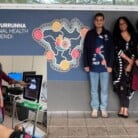
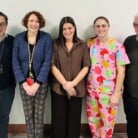
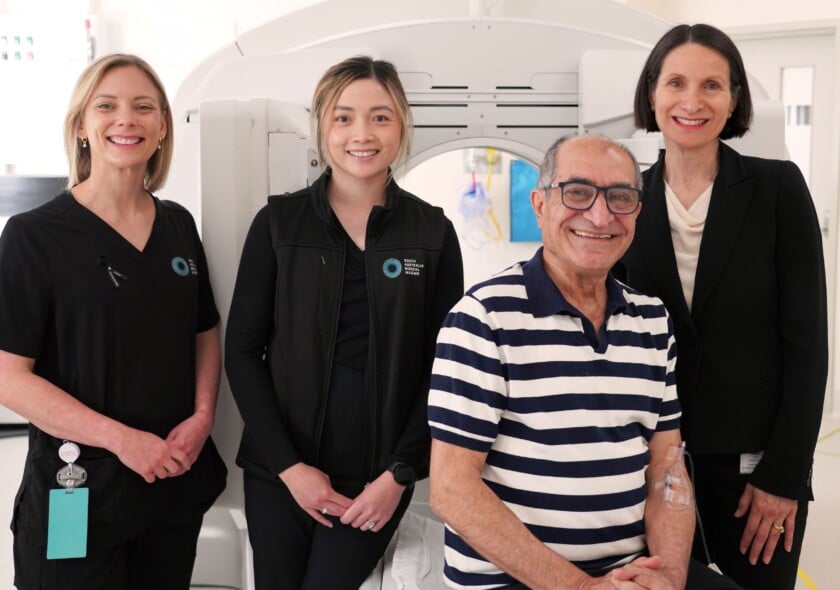
The one thousandth dose was delivered and celebrated at a recent morning tea at TQEH by members of the SAMI Nuclear Medicine Department, The Hospital Research Foundation Group and patients.
Quotes attributable to South Australia Medical Imaging Clinical Director, Associate Professor Marc Agzarian
“As one of a few centres qualified to deliver this treatment in Australia, I am proud to see the Nuclear Medicine Department achieve this milestone.
“It is great to see the Queen Elizabeth Hospital offer this cutting edge, targeted treatment to those most in need, including South Australians from rural and remote areas, and some interstate patients.
Quotes attributable to South Australia Medical Imaging, Associate Professor Gabby Cehic AM
“It has been a privilege to work with my team over the ensuing years to treat the many patients entrusted to our care.
“For each of our patients, this treatment has given them the precious gift of more time with their loved ones, and a better quality of life.
“As we look to the future, we will continue to push frontiers to ensure that the very best of therapeutic options are available to our patients.
“The Hospital Research Foundation Group has been a critical resource for not only our team, but also for patients and families over the years, even providing subsidised accommodation for patients who travel from regional areas or interstate.
Quotes attributable to The Hospital Research Foundation Group, CEO Paul Flynn
“We are pleased to support the highly-dedicated Nuclear Medicine team at The Queen Elizabeth Hospital deliver cutting-edge LuTate treatment to patients battling debilitating neuroendocrine tumours.
“We are proud that our funding for a specialist neuroendocrine nurse and world-class patient management registry has proven invaluable for both staff and patients in their disease management and follow-up care.
“LuTate radiotherapy helps relieve patients’ symptoms, shrink tumour lesions and slow the progression of their disease – helping them enjoy more everyday moments with their families.
“Our subsidised family-style Under Our Roof accommodation, located close to the hospital in Woodville West and Bowden, has also eased the financial burden for many remote patients travelling for treatment, and is also large enough to have their support network stay with them which I know is much appreciated.