The sight of a tiny premature baby, with a multitude of tubes holding its precious life in the balance, tugs at even the toughest heart strings.
Knowing that child may face a lifetime of complications adds another heartbreaking element – not only for the baby but for their worried family.
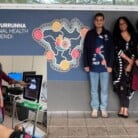
 For Jo Slade, whose son Ari (pictured) was born 10 weeks early and weighed just 1350 grams – or 3 pounds 1 ounce – it was the most challenging time of her life.
Ari had to spend almost 10 weeks in intensive care battling eye and heart issues, an infection, feeding issues, reflux and more.
“Day seven we thought we were going to lose him,” Jo recalls.
“He had an infection from having a long line put in, and all the issues compounded. His valve in his heart was not opening fully and he had blue face and blue lips.”
Thinking she couldn’t get pregnant at all due to a complex health condition – and then to have that miracle new life under threat – was an emotional roller coaster for Jo.
And the reason why more research is needed into premature births and helping pre-term babies go on to live full and healthy lives.
Outlook for premature babies
Babies born before 37 weeks’ gestation are considered pre-term and at risk of health challenges because their organs and systems are not fully developed.
 These include respiratory problems, heart issues, feeding problems, developmental delays, a week immune system, vision problems, brain bleeding, trouble regulating their temperature, jaundice and hearing loss.
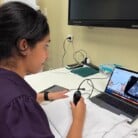
Associate Professor Thomas Sullivan (pictured) is a biostatistician at SAHMRI, dedicated to improving newborn health, particularly for babies born before 29 weeks gestation.
The Hospital Research Foundation Group is proud to be funding his life-changing research that will improve outcomes for families like Jo’s.
“Babies born this early are at higher risk of a myriad of issues, including lung diseases like bronchopulmonary dysplasia and long-term cognition issues,” A/Prof Sullivan says.
“My research is looking at blood samples to find a fatty acid profile that brings the best health outcomes for premature babies, particularly in lowering their risk of developing lung disease and enhancing cognition.”
Being better informed
For mum Jo, she says being informed about premature birth is so important, particularly before ‘baby brain’ kicks in and the post-natal hormones and emotions run wild.
“I knew I wouldn’t go full term because of my health condition so I could prepare, but many other mums find themselves in this situation unexpectantly,” Jo says.
“If we can have more research and improve decision-making around premature babies, that will help families facing this really tough time.”
And Ari is proof. He is now a strong and healthy 15-year-old who “cracks me up every day,” Jo says.
“He is a giant now and doing really well.”
To support this lifesaving research, please consider a donation here.